
Children’s Orthodontics
Early orthodontic treatment plays an important role in your child’s long-term oral health. Children’s orthodontics is about more than appearance. Early treatment can guide your child’s dental development, address concerns before they worsen, and support a healthy, confident smile for years to come.
Treatment Options for Children
Treatment for children varies considerably from one patient to another. In some cases, no active treatment is needed, and periodic review is all that is required. If treatment is not needed yet, we will continue to monitor your child’s growth and development with regular review appointments. These visits are complimentary.
Where early treatment is indicated, options may include appliances designed to guide growth, create space, or improve bite relationships. This may include appliances such as orthodontic plates, expanders, functional appliance or holding arches. For others, it may involve a short course of braces or clear aligners.
In other cases, treatment may be planned for a later stage when more of the adult teeth have erupted.
For some children, treatment involves gentle growth guidance. The right option depends on the child’s age, stage of dental development, bite, and overall treatment goals.
Our aim is always to recommend the right treatment at the right time, rather than taking a routine or one-size-fits-all approach.
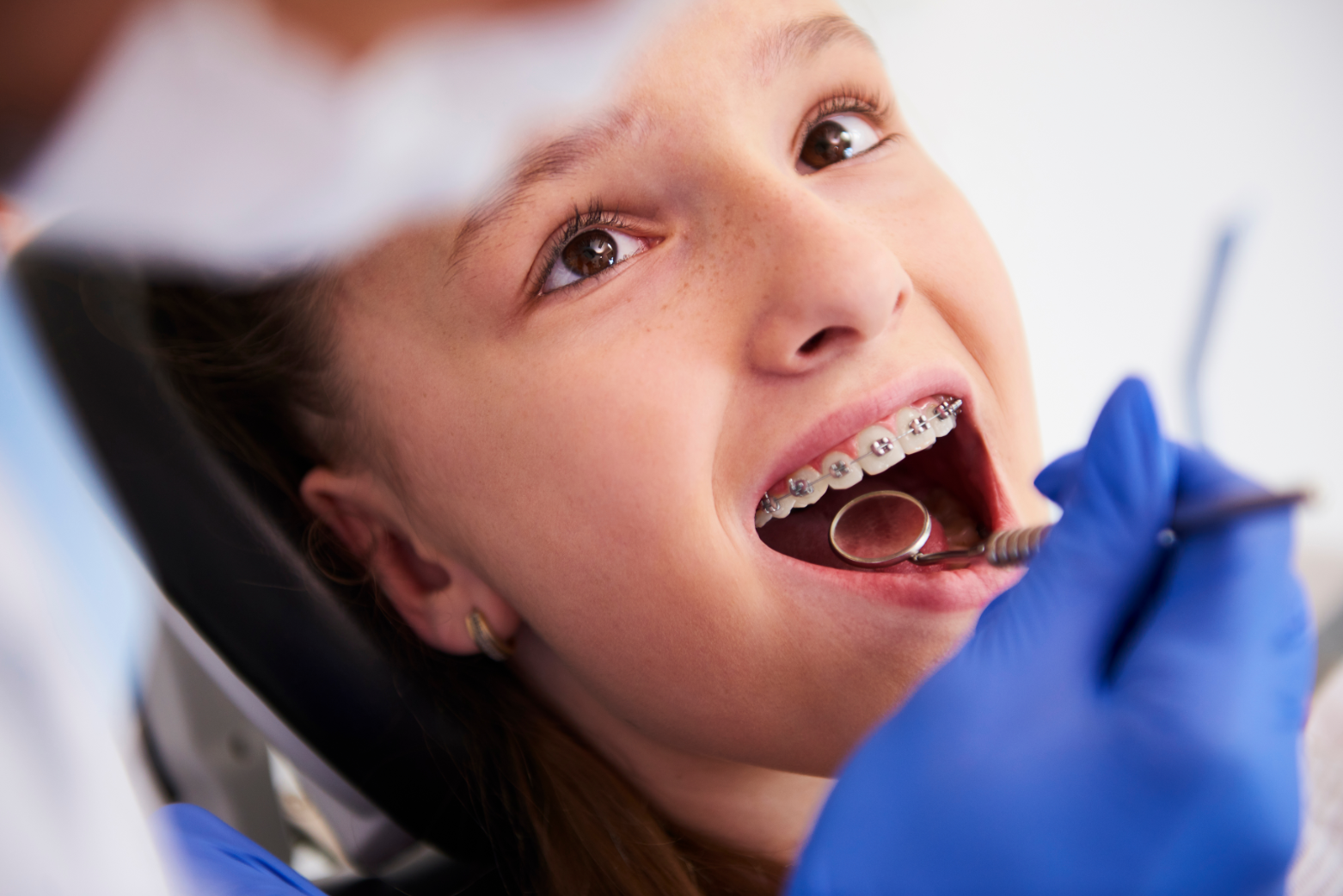
Why Early Assessment Matters
An early orthodontic assessment can help identify developing issues while your child is still growing. When needed, treatment during this stage may guide jaw development and tooth eruption, helping to minimise the need for more complex treatment later. The Australian Society of Orthodontists recommends an orthodontic consultation by age 7 to allow careful monitoring of dental and skeletal growth. Interceptive treatment can support healthy facial development, assist in managing habits such as thumb sucking or prolonged dummy use, and in some cases help address airway-related concerns associated with narrow arches.
Common reasons your child may need orthodontics:
Crooked or crowded teeth
Protruded front teeth
Impacted or incorrectly positioned teeth
Narrow upper jaw
Crossbite
Overbite
Underbite
Irregular spacing between teeth
Early or late loss of baby teeth
Missing permanent/adult teeth
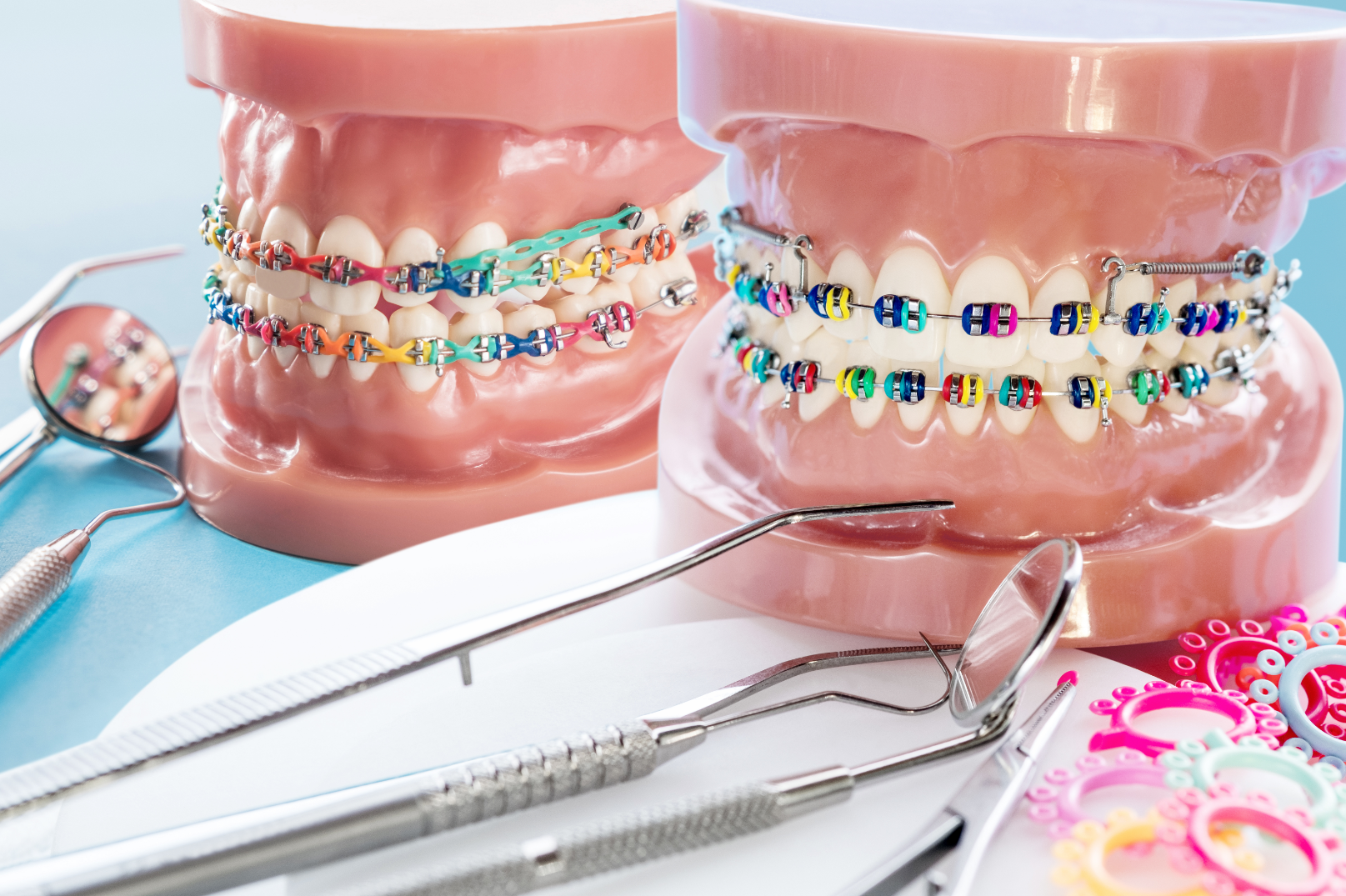
Our Approach to Children’s Care
We aim to make children’s orthodontic care clear, calm, and supportive for both the child and their family. Every child develops differently, and our role is to identify what is progressing normally, what may need monitoring, and what may benefit from intervention.
We take the time to assess each child carefully, explain our findings in plain language, and recommend treatment only where it is likely to be beneficial. Our approach is centred on careful assessment, clear communication, and individualised timing.
For many families, a positive experience matters just as much as the treatment plan itself. We want children to feel comfortable, and parents to feel informed and reassured.

Arrange a Children’s Orthodontic Assessment
If you have concerns about your child’s teeth, bite, or jaw development, or you would simply like reassurance that everything is progressing as expected, an early orthodontic assessment can help clarify the next steps.
Frequently Asked Questions
-
The Australian Society of Orthodontists (ASO) recommends that children have their first assessment with a specialist orthodontist between the ages of seven and ten.
Many children benefit from an orthodontic assessment while the adult teeth and jaws are still developing. This allows us to identify whether development should simply be monitored or whether early treatment may be beneficial. It does not necessarily mean treatment will start straight away.
-
No. Many children do not require immediate treatment. Often, the most appropriate recommendation is observation and review until the timing is more favourable. Early assessment is primarily about identifying concerns and planning appropriately.
-
An early review may identify crowding or spacing, teeth erupting out of position, crossbites, underbites, open bites, deep bites, prominent front teeth, and developing jaw discrepancies. It may also highlight issues with eruption timing, oral habits, or other concerns affecting growth and bite development.
-
Even when baby teeth are still present, an orthodontic assessment can provide useful information about how the jaws and permanent teeth are developing. In many cases, the visit is used to establish a baseline and determine whether monitoring is needed.
-
Parents often notice crowding, front teeth that protrude, a crossbite or underbite, mouth breathing, early or late loss of baby teeth, difficulty chewing, or teeth erupting in an unusual position. Any of these can be a good reason to arrange an orthodontic review.
-
Early orthodontic treatment refers to treatment started while a child is still growing in order to guide development, improve bite relationships, create space for permanent teeth, or reduce the severity of a developing problem. It is used selectively rather than routinely.
-
Depending on the child and the problem being addressed, treatment may involve monitoring, growth guidance appliances, braces, or other orthodontic approaches designed to guide development or improve the bite. The exact recommendation depends on the individual child.
-
No. Children’s orthodontics is about more than straightening teeth. It also considers how the bite fits together, how the jaws are developing, whether there is enough space for adult teeth, and whether a problem may become more significant if left unmonitored.
-
Sometimes, yes. In selected cases, early treatment may help guide jaw development, create space for incoming permanent teeth, and reduce the severity or complexity of later treatment. This depends on the specific problem and the child’s pattern of growth.